
VIP Transfer Mykonos: Safety & Discretion Guide

Why safety is a core requirement in VIP transfers in Mykonos VIP mobility in Mykonos is not defined by luxury alone. It is defined by control, consistency, and the ability to move across the island without interruption. In a destination where demand is high and movement is constant, standard transportation often operates under pressure. Availability can be limited, timing unpredictable, and the overall experience inconsistent. For travelers who expect a higher level of organization, this creates unnecessary friction. VIP mobility addresses this by shifting the focus from simple transportation to structured movement. Every transfer is planned in advance, coordinated with the traveler’s schedule, and executed with precision. This eliminates uncertainty and allows each part of the day to flow without disruption. At the same time, the experience is designed to remain discreet. Movements are handled efficiently, without unnecessary exposure or delays, ensuring that travelers can navigate the island comfortably and privately. In this context, VIP mobility becomes less about the vehicle and more about the experience it enables — a controlled, seamless, and reliable way to move through Mykonos, regardless of demand or time of day. May also interest you: Mykonos Holidays: A Luxury Travel Guide to the Island of the Winds Why safety is a core requirement in VIP transfer Mykonos Safety in Mykonos is not a theoretical concept. It is a practical requirement shaped by the conditions of the island, especially during peak season. Traffic density increases significantly during the summer months, while many of the roads remain narrow and highly congested. At the same time, the constant flow of visitors, events, and nightlife activity creates an environment where movement is continuous and often unpredictable. For travelers arriving at the airport, moving between beaches, or returning from late-night venues, these conditions can affect both timing and overall comfort. Without proper coordination, even short routes can become stressful or disorganized. This is where structured transportation becomes essential. Professional drivers who are familiar with the island, planned routes, and organized scheduling reduce unnecessary risks and ensure that each transfer is handled smoothly. Safety, in this context, is not only about driving. It is about minimizing uncertainty, avoiding delays, and ensuring that every movement takes place in a controlled and predictable way. In a destination where demand is constantly high, this level of organization becomes a key factor in maintaining both comfort and peace of mind. May also interest you: Mykonos Places to See: The Ultimate Guide to the Island’s Highlights The role of discretion in luxury travel In Mykonos, discretion is not simply a preference. For many travelers, it is an essential part of the experience. The island attracts a wide range of visitors, from high-net-worth individuals and business executives to public figures who value privacy. In such an environment, visibility is constant, and movements can easily become exposed without the right level of coordination. Discreet transportation ensures that each transfer takes place without unnecessary attention. Pickups are handled efficiently, routes are planned in advance, and timing is managed carefully to avoid crowded situations whenever possible. This approach allows travelers to maintain control over their presence on the island. Whether arriving at a villa, attending a private event, or moving between locations late at night, the experience remains smooth and uninterrupted. At a higher level, discretion is also about respect. It reflects an understanding of the traveler’s needs and the ability to provide a service that operates quietly, efficiently, and without intrusion. In this context, true luxury is not about visibility. It is about moving through Mykonos with confidence, privacy, and complete peace of mind. May also interest you: Mykonos Must See: The travel guide Security protocols behind a professional transfer service Behind every premium transfer experience lies a structured system of protocols designed to ensure consistency, safety, and control. In Mykonos, where conditions can change quickly, this level of organization is what separates a professional service from a basic transportation option. Pre-arranged coordination Every transfer begins before the vehicle even arrives. Pickup times, locations, and routes are planned in advance, allowing the entire process to run smoothly without last-minute adjustments. This reduces uncertainty and ensures that each movement is aligned with the traveler’s schedule. Verified and experienced drivers Professional transfer services operate with drivers who are not only experienced, but also familiar with the island’s conditions. Knowledge of routes, traffic patterns, and timing plays a critical role in maintaining both safety and efficiency. Controlled communication Clear and direct communication ensures that travelers always know what to expect. From arrival coordination to real-time updates, this level of structure minimizes confusion and allows each transfer to be executed without disruption. Route planning and timing management In a destination where traffic can quickly become unpredictable, planning the route in advance is essential. Adjusting timing based on demand, events, or peak hours helps avoid delays and ensures a more consistent experience. Consistency across every transfer A professional service is defined by its ability to deliver the same level of quality every time. From the first pickup to the last transfer, consistency creates trust and allows travelers to move without concern. These protocols are not always visible, but they are what make the difference. In Mykonos, where demand is high and expectations are even higher, structured coordination is what turns transportation into a reliable and controlled experience. What separates a premium transfer service from a standard one At first glance, all transfer services may seem similar. They provide a vehicle, a driver, and a way to move from one point to another. However, in Mykonos, the difference between a standard option and a premium service becomes clear the moment conditions become demanding of VIP transfer Mykonos . Availability vs guaranteed service Standard transportation depends heavily on availability. During peak hours, finding a vehicle can become difficult, and waiting times can increase significantly. A premium service operates differently. Availability is guaranteed through pre-booking, ensuring that a vehicle is ready exactly when needed. Reactive vs planned experience Standard transfers are often reactive. Travelers request a ride and adapt
Mykonos Transfer Pricing Explained: What You Actually Pay For (2026 Guide)

Mykonos transfer pricing is often misunderstood. Many travelers arrive on the island expecting fixed rates and simple transportation options, only to realize that costs can vary significantly depending on demand, availability, and timing. In Mykonos, you are not just paying for distance. You are paying for access, reliability, time, and overall experience — especially during high season, when transportation demand reaches its peak. From airport arrivals and port transfers to late-night routes between beach clubs and villas, pricing is influenced by multiple factors that are not always obvious at first glance. This is why two similar routes can result in completely different costs depending on how and when they are booked. In this 2026 guide, you will understand how transfer pricing in Mykonos actually works, what affects the final cost, and how to choose the right option based on your priorities — without confusion or unexpected surprises. How Mykonos transfer pricing works Transfer pricing in Mykonos is not based on distance alone. Unlike many destinations where fares follow a predictable structure, transportation on the island operates under a combination of demand, availability, and service level. During peak season, the number of visitors increases dramatically, while the number of available vehicles remains limited. As a result, pricing becomes dynamic, especially for services that operate without prior booking. At the same time, different types of transportation follow completely different pricing models. Taxis usually operate with base fares that can vary depending on traffic and time of day, while pre-booked transfer services offer fixed pricing agreed in advance. This distinction is critical, as it directly affects both cost predictability and overall experience. Another important factor is timing. Early arrivals, late-night transfers, and high-demand hours around popular beach clubs or events often influence availability. In many cases, travelers end up paying more not because of the distance, but because of when and how they try to secure a ride. For this reason, understanding how pricing works in Mykonos is less about comparing numbers and more about understanding the system behind them. Planning ahead, choosing the right type of service, and avoiding last-minute decisions can make a significant difference both in cost and convenience. May also interest you: Mykonos Holidays: A Luxury Travel Guide to the Island of the Winds Why prices are not fixed on the island One of the most common surprises for visitors in Mykonos is that transfer prices are rarely fixed. Unlike cities with stable transportation systems, Mykonos operates under conditions where demand can change within minutes. During high season, the island experiences a constant flow of arrivals, events, and nightlife activity. This creates peak demand at specific times of the day, especially around airport arrivals, sunset hours, and late-night club transfers. As a result, availability becomes limited, and pricing naturally fluctuates. At the same time, the number of taxis on the island is relatively small compared to the volume of visitors. This imbalance means that even short routes can become difficult to secure, particularly without prior planning. Traffic is another important factor. Narrow roads, high vehicle density, and popular destinations can significantly increase travel time. In many cases, what looks like a short distance on the map may take much longer in reality, which also affects how services are priced. Because of these conditions, last-minute transportation decisions often lead to higher costs, delays, or limited options. This is why many experienced travelers choose to organize their transfers in advance, ensuring both availability and a more predictable experience. guaranteed availability, which is why many travelers choose them for a more seamless experience. May also interest you: Mykonos Places to See: The Ultimate Guide to the Island’s Highlights Taxi pricing vs pre-booked transfers When comparing transportation options in Mykonos, the difference between taxis and pre-booked transfers is not only about price, but about predictability, availability, and overall experience. Taxi pricing in Mykonos Taxis are often perceived as the simplest option. However, in Mykonos, their availability is limited. During peak season, finding a taxi can involve long waiting times, especially at the airport, port, or after major events. Pricing can also vary depending on traffic, time of day, and demand. While a short route may seem affordable under normal conditions, delays or high demand can increase both waiting time and final cost. For travelers who rely on taxis without prior planning, uncertainty becomes part of the experience. Pre-booked transfer services Pre-booked transfers operate differently. The price is agreed in advance, the pickup is scheduled, and availability is guaranteed. This removes the uncertainty that often comes with on-demand transportation. In addition, pre-arranged services are designed around the traveler’s schedule. Whether it is an airport arrival, a beach transfer, or a late-night return, the experience is planned rather than improvised. This difference becomes especially important during high season, when demand peaks and time becomes more valuable. The real difference: cost vs experience At first glance, taxis may appear as the lower-cost option. However, when factoring in waiting time, availability issues, and lack of flexibility, the overall experience can become less efficient. Pre-booked transfers, on the other hand, focus on consistency. Travelers know what to expect, when the vehicle will arrive, and how the journey will unfold. In Mykonos, where demand often exceeds supply, this level of reliability is not just a convenience — it becomes a key part of the travel experience. May also interest you: Mykonos Must See: The travel guide What determines the final cost of a transfer The final cost of a transfer in Mykonos is influenced by several key factors. Understanding these variables helps travelers make better decisions and avoid unexpected situations. Distance and route complexity Distance plays a role, but it is not the only factor. Some routes may appear short on the map, yet require more time due to road conditions, traffic, or access limitations. Transfers to remote beaches or villas can also affect the overall cost. Time of day Timing has a significant impact on pricing. Early arrivals, sunset hours, and late-night transfers are all considered peak
Mykonos Holidays: A Luxury Travel Guide to the Island of the Winds
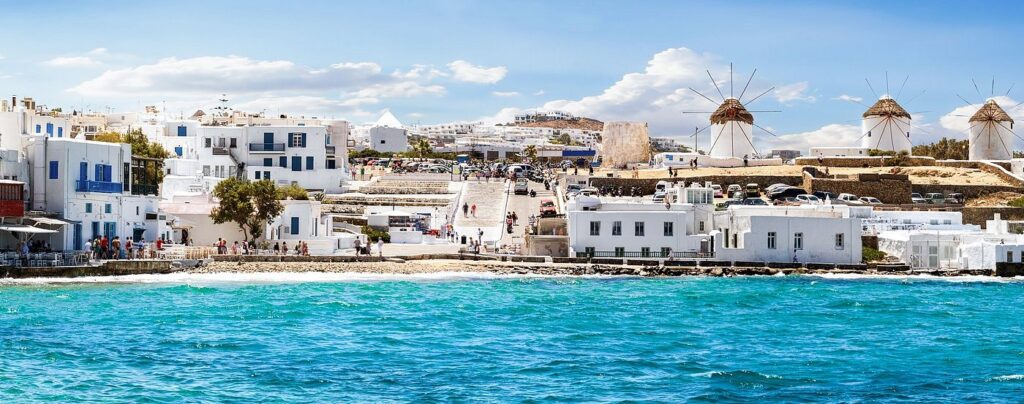
Planning Mykonos holidays often begins with a simple idea: enjoying the sun, the sea and the vibrant atmosphere of one of the Mediterranean’s most famous islands. Yet Mykonos offers far more than its well-known nightlife and beach culture. The island blends Cycladic elegance, cosmopolitan energy and breathtaking scenery into a destination that attracts travelers from around the world every summer. From the whitewashed alleys of Chora and the iconic windmills overlooking the sea to panoramic coastal viewpoints and traditional villages, Mykonos combines beauty and lifestyle in a unique way. Because the island is compact but full of highlights, exploring it efficiently allows visitors to experience much more than the typical tourist route. At the same time, modern Mykonos holidays are increasingly defined by comfort and convenience. Many travelers choose organized transfers, private drivers or tailored island tours to move easily between beaches, restaurants and scenic locations without the stress of peak-season traffic. In this guide, we explore what makes Mykonos such a remarkable destination, the highlights that define the island and the experiences that turn a simple trip into unforgettable Mykonos holidays. Why Mykonos Holidays Are Among the Most Popular in the Mediterranean Over the past decades, Mykonos holidays have become synonymous with luxury travel, vibrant lifestyle and unforgettable island experiences. Located in the heart of the Cyclades, Mykonos attracts visitors from across Europe, the United States and the United Kingdom, all drawn by its unique blend of natural beauty and cosmopolitan energy. One of the island’s greatest strengths is its diversity. Travelers can spend their day relaxing on golden beaches, wandering through narrow marble streets lined with whitewashed houses or enjoying world-class dining overlooking the Aegean Sea. At the same time, the island offers a lively social scene that has made Mykonos famous around the world. However, beyond the glamorous reputation, Mykonos also offers quieter moments and authentic charm. Traditional chapels, panoramic coastal landscapes and peaceful villages reveal a different side of the island that many visitors discover once they venture beyond the main hotspots. Because the island’s highlights are spread across different areas, planning how to explore them plays an important role in shaping the overall experience. Many travelers therefore choose flexible transportation options that allow them to move comfortably between beaches, viewpoints and villages throughout their Mykonos vacations. Ultimately, the island’s appeal lies in this balance — where natural beauty, elegant lifestyle and effortless mobility come together to create one of the most desirable Mediterranean escapes. May also interest you: Mykonos Must See: The travel guide The Iconic Highlights That Define Mykonos Vacations One of the reasons Mykonos holidays remain so memorable is the island’s distinctive scenery and architecture. Even a short walk through its streets reveals postcard-worthy views, while a short drive across the island leads to panoramic landscapes and charming villages. At the heart of the island lies Mykonos Town (Chora), famous for its maze-like marble alleys, whitewashed houses and vibrant atmosphere. Visitors often spend hours wandering through its narrow streets, discovering boutique shops, cafés and hidden courtyards. Just a short walk away, Little Venice and the historic Windmills of Mykonos form one of the most recognizable views in Greece. Colorful balconies overlooking the sea and dramatic sunsets make this area one of the most photographed spots during Mykonos vacations. Further away from the busy center, Ano Mera village offers a calmer and more traditional atmosphere. Its quiet square and historic monastery reveal a more authentic side of the island, away from the lively beach clubs and nightlife. For travelers seeking panoramic views, Armenistis Lighthouse stands on the island’s northern coast and offers one of the most breathtaking vantage points in Mykonos. The surrounding landscape feels raw and dramatic, highlighting the natural beauty of the Aegean. Because these highlights are spread across different parts of the island, exploring them comfortably often requires thoughtful planning. Many visitors choose to combine several of these iconic locations in a single day while discovering the diverse landscapes that make Mykonos holidays truly unforgettable. May also interest you: Mykonos history: More than just a party island Exploring the Island Beyond the Main Attractions While the famous landmarks create the first impression, the real charm of Mykonos holidays often appears when visitors explore beyond the main attractions. The island’s compact size allows travelers to discover a surprising variety of landscapes within a short distance, from scenic coastal roads to quiet inland villages and hidden viewpoints overlooking the Aegean. Driving across the island reveals a different side of Mykonos. Small white chapels appear on hilltops, narrow roads lead to panoramic viewpoints and secluded coves offer moments of calm away from the busier beach areas. These spontaneous discoveries often become the most memorable moments of a trip. Because many of these locations are scattered around the island, planning a route in advance helps visitors experience more during their stay. For this reason, some travelers prefer organized island tours or private drivers who can guide them through different parts of Mykonos in a single day. This approach allows them to combine scenic drives, photo stops and short visits to traditional villages without worrying about navigation or timing. Exploring Mykonos in this way transforms a simple visit into a fuller island experience. Instead of limiting the journey to a few well-known spots, travelers can discover the landscapes and viewpoints that give Mykonos holidays their unique sense of freedom and adventure. May also interest you: 10 best beaches in Mykonos you must visit Arriving and Moving Around the Island For many visitors, the experience of Mykonos holidays begins the moment they arrive on the island. During the summer season, Mykonos receives thousands of travelers every day through its airport and port, creating a lively but often busy atmosphere. As a result, organizing transportation in advance can significantly improve the overall travel experience. Distances on the island are relatively short, yet the narrow roads and seasonal traffic can make moving between different areas more time-consuming than expected. Travelers often visit several locations during the same day,
Mykonos Places to See: The Ultimate Guide to the Island’s Highlights
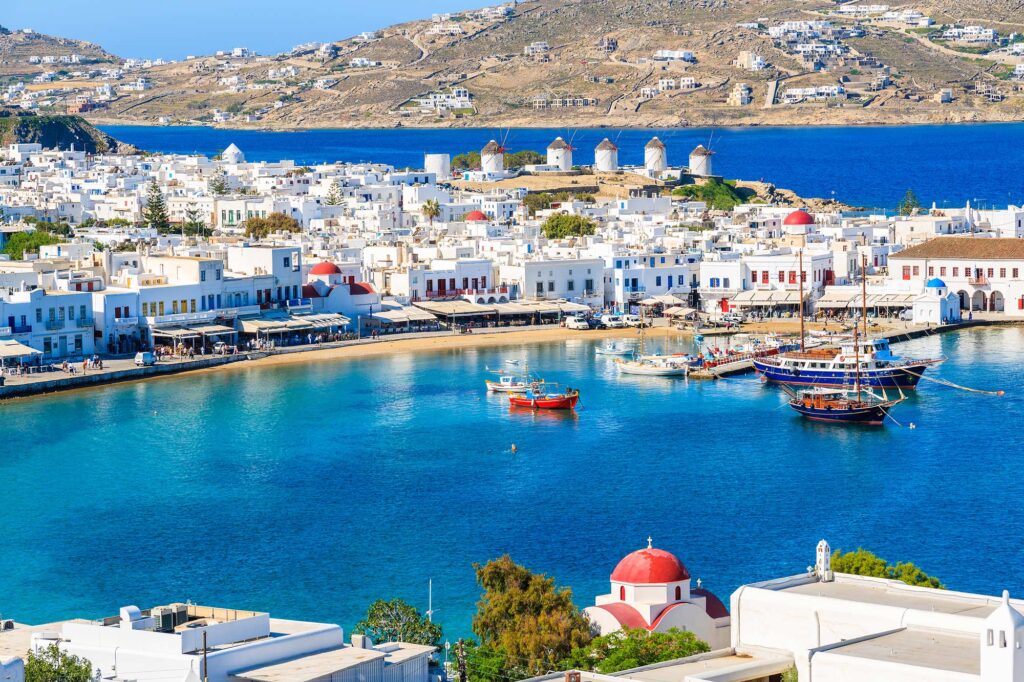
When planning your itinerary, choosing the right Mykonos places to see can completely shape your experience. Although the island is compact, it offers a remarkable variety of landscapes, architecture and viewpoints. From postcard-famous landmarks to panoramic coastal scenery, every stop reveals a different side of Mykonos. Below, we explore five essential destinations that define the island — not just as a party hotspot, but as a refined Cycladic destination filled with character and contrast. Mykonos places to see: Top places to expert The Windmills of Mykonos – The Island’s Timeless Symbol No list of Mykonos places to see would be complete without the iconic windmills overlooking Chora. Built during the 16th century by the Venetians, these white cylindrical structures once played a crucial role in grinding grain brought to the island by trade ships. Today, they serve a very different purpose. They frame one of the most photographed sunset views in the Aegean. Positioned on a slightly elevated hill, the windmills offer uninterrupted views of the sea, Little Venice and the surrounding coastline. Visiting early in the morning provides a peaceful atmosphere and soft lighting ideal for photography. However, sunset remains the most dramatic time, when golden tones wash over the whitewashed structures. Because the area attracts significant foot traffic during high season, arriving comfortably and on time makes a difference. As one of the most popular Mykonos places to see, it sets the visual tone for the entire island. May also interest you: Mykonos Must See: The travel guide Little Venice – Where Architecture Meets the Sea Just steps below the windmills lies Little Venice, one of the most atmospheric corners of the island. Originally built in the 18th century by wealthy merchants and sea captains, the colorful balconies extend directly above the water. Unlike the orderly geometry of the windmills, Little Venice feels intimate and lively. Waves crash dramatically against the foundations during windy days, reinforcing Mykonos’ identity as the Island of the Winds. This area seamlessly blends romance and cosmopolitan energy. During the day, visitors explore its narrow pathways and boutique spots. By evening, the setting transforms into one of the island’s most elegant sunset destinations. Among all Mykonos places to see, Little Venice offers one of the most immersive experiences. It captures the island’s architectural beauty while remaining at the heart of its vibrant lifestyle. Panagia Paraportiani – Cycladic Architecture at Its Purest Standing quietly in the Kastro neighborhood of Chora, Panagia Paraportiani is one of the most unique churches in Greece. Rather than being a single structure, it is a complex of five interconnected chapels built over several centuries. Its sculptural shape and asymmetrical design create a striking contrast against the deep blue sky. Unlike many ornate European churches, its beauty lies in simplicity and form. Photographers and architecture enthusiasts consider it one of the most refined Mykonos places to see. Moreover, its location within the maze-like alleys of Chora encourages visitors to wander and explore surrounding marble streets. Arriving early in the morning allows you to experience its serenity before the crowds build. The stillness of the setting reveals a spiritual dimension that often gets overshadowed by the island’s modern reputation. May also interest you: Mykonos history: More than just a party island Armenistis Lighthouse – The Most Breathtaking Viewpoint While many travelers remain near Chora, the island’s northern edge reveals a more dramatic side of Mykonos. Armenistis Lighthouse stands on a rugged cliff overlooking the open Aegean Sea. Built in the late 19th century after a tragic shipwreck, the lighthouse remains fully operational. However, most visitors come for the panoramic views rather than maritime history. From this elevated point, you can see neighboring islands scattered across the horizon. The landscape feels wild, windswept and cinematic. Unlike the lively center, this area offers tranquility and vast open space. Because it sits away from the main town, reaching Armenistis requires planning. Narrow roads and limited signage make private transportation the most convenient option. Nevertheless, it ranks among the most rewarding Mykonos places to see, especially at sunset when the sky turns shades of pink and gold. Ano Mera – The Authentic Heart of Mykonos Inland from the busy coastline lies Ano Mera, the island’s second-largest settlement. Unlike Chora, it feels calm and residential. At the center of the village stands the Monastery of Panagia Tourliani, founded in the 16th century. Its traditional bell tower and interior details provide a glimpse into the island’s religious heritage. Local tavernas line the square, offering a more relaxed dining experience compared to the high-energy venues near the beach clubs. Visiting Ano Mera adds cultural depth to your list of Mykonos places to see, revealing everyday island life beyond tourism. Because the village sits several kilometers from the main port and airport area, combining it with other scenic stops through an organized island route ensures efficient exploration. May also interest you: Things to do in Mykonos town Exploring Mykonos Efficiently Although the island may appear small on the map, the most impressive Mykonos places to see are scattered across different corners. Peak-season traffic, limited taxis and narrow roads can quickly turn a simple outing into a logistical challenge. Pre-arranged airport and port transfers ensure smooth arrivals and departures. Moreover, structured island tours allow you to connect major highlights like the windmills, Little Venice, Armenistis Lighthouse and Ano Mera in a single well-planned route. For visitors arriving from the United States or the United Kingdom, convenience and reliability often define the quality of the trip. Organized transportation eliminates uncertainty and allows you to focus entirely on the experience itself. Whether you are visiting for a wedding celebration, a luxury getaway or a short Mediterranean escape, exploring the top Mykonos places to see becomes significantly more enjoyable when every journey across the island flows seamlessly. Mykonos places to see – Final Thoughts Mykonos balances elegance, simplicity and natural beauty in a way few destinations can. From its historic windmills to its panoramic northern cliffs, each location reveals a different layer of
Mykonos Must See: The travel guide
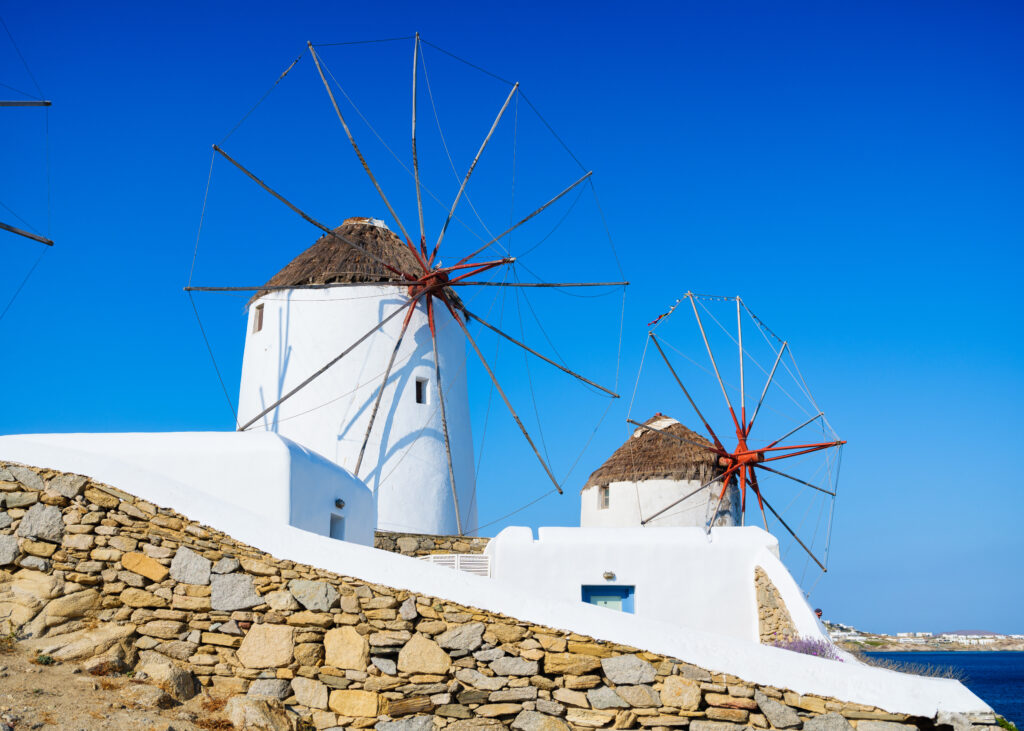
The allure of Mykonos must see lies in its ability to cater to vastly different travelers, from the high-rolling jet-setter to the history-seeking adventurer. The island is a stunning contradiction of wild, high-octane hedonism and pockets of serene, whitewashed tradition that have remained unchanged for decades. Whether one is drawn by the thumping bass of world-class beach clubs or the silent stone ruins of ancient civilizations, the “Island of the Winds” offers a diverse and captivating itinerary. This guide explores the essential landmarks that define the Mykonian experience, focusing on the cultural heart of the town, the legendary southern coastline, the rugged northern landscapes, and the sacred history that lies just across the water. Each destination represents a different facet of the Cycladic spirit, promising a journey that is as visually breathtaking as it is socially vibrant. From the labyrinthine alleys of the capital to the sun-drenched archaeological sites, Mykonos remains the undisputed crown jewel of the Aegean, inviting every visitor to lose themselves in its unique blend of glamour, history, and natural beauty. The labyrinth of Chora and the iconic Windmills : Mykonos Must See Chora, the island’s capital, a Mykonos must see is a masterpiece of Cycladic architecture, featuring a dense network of whitewashed alleys, vibrant blue shutters, and cascading bougainvillea. The primary landmarks here include the Kato Mili windmills, which once ground grain using the island’s fierce northern winds, and Little Venice, where 18th-century houses hang directly over the sea. To visit these spots, one must understand that Chora is strictly pedestrian. The capital serves as the ultimate destination for boutique shopping, high-end dining, and the most iconic sunset views in the Mediterranean. The church of Panagia Paraportiani, an asymmetrical whitewashed marvel, stands as the most photographed religious site in Greece. Walking through the town is a sensory experience, where the smell of fresh almond pastries from traditional bakeries mingles with the salty sea breeze. The lack of cars inside the settlement creates a sanctuary for walkers, though the sheer volume of pedestrians during sunset hours can make moving between the harbor and the windmills feel like navigating a festive parade. It is a place where one is encouraged to get lost, as every turn reveals a hidden chapel or a charming courtyard. May also interest you: Best areas to stay in mykonos The Southern social circuit: Psarou to Paradise The southern coast of Mykonos is the epicenter of the island’s world-renowned beach culture, housing legendary spots like Psarou, Platis Gialos, and Super Paradise. These beaches are nestled in protected bays, shielding swimmers from the Meltemi winds and offering crystalline turquoise waters that remain calm throughout the summer. Psarou is the crown jewel for luxury and celebrity spotting, home to the world-famous Nammos village, while Paradise Beach caters to those seeking non-stop partying with legendary clubs like Cavo Paradiso. For a more inclusive energy, Super Paradise stands as a major international hub known for its nightly shows and high-energy atmosphere. Even for those not seeking the club scene, beaches like Ornos offer shallow, family-friendly waters and a high density of excellent dining options. These southern shores represent the hedonistic heart of the island, where the day begins with a late brunch on a sunbed and ends with dancing on the sand. The protected nature of these bays ensures that even on the windiest days, the water remains as still as a swimming pool, making it the premier destination for sunbathing and social interaction. The untamed North and the Mykonos must see Armenianistis Lighthouse For a complete change of pace, the northern coast and the northwestern tip of the island offer a rugged, “unplugged” version of Mykonos. The Armenistis Lighthouse stands as a lonely sentinel overlooking the strait between Mykonos and Tinos, providing a panoramic vantage point that is particularly breathtaking during the “blue hour.” Nearby, the beach of Agios Sostis remains one of the last bastions of “bohemian” Mykonos, featuring no sunbeds and no music. Further east, the beach of Fokos offers a wild landscape of granite rocks and deep blue waters, perfect for those seeking true solitude away from the commercial centers. These locations are essential for travelers who find the southern clubs too crowded, offering a glimpse of the island’s original, wild beauty. The northern terrain is more exposed to the elements, providing a dramatic backdrop of crashing waves and untouched hillsides. It is a region where the natural environment takes center stage, and the frantic pace of the town is replaced by the rhythmic sound of the sea and the whistle of the wind through the dry brush. The inland heart: Ano Mera and ancient Delos To truly understand Mykonos must see, one must venture inland to the village of Ano Mera and outward to the sacred island of Delos. Ano Mera is the only major inland settlement, centered around the 16th-century Monastery of Panagia Tourliani with its impressive marble bell tower. The village square offers a peaceful, authentic dining experience that is significantly more affordable than the coastal hotspots, providing a glimpse into the traditional daily life of the islanders. Conversely, Delos is a short boat ride away and serves as one of the most important archaeological sites in the world. As the mythological birthplace of Apollo and Artemis, this UNESCO World Heritage site is a vast open-air museum filled with ancient temples, mosaics, and the famous Terrace of the Lions. Navigating Delos is a journey through time, where the ruins of a once-thriving maritime city stand in silent tribute to ancient Greek civilization. Combining a morning in the ruins of Delos with a late lunch in the quiet square of Ano Mera provides a necessary cultural counterweight to the island’s modern reputation, allowing visitors to connect with the deep historical roots of the Cyclades. The luxury gateway For curated recommendations, insider tips and seasonal insights, you can contact mykonos taxi, MykonosMust to help you make the most of your visit. The company operates as a full-service gateway to the “good life,”
Mykonos Weather: The best period to visit Mykonos

Mykonos weather is one of the main reasons the island has become a dream destination for travelers from all over the world. With long, sun-drenched summers, mild yet refreshing winters and the trademark Meltemi winds that cool the hottest days, the climate plays a defining role in shaping both the rhythm of local life and the type of holidays visitors enjoy. Beyond its famous beaches and vibrant nightlife, Mykonos owes much of its charm to the stability of its climate, which offers predictable sunshine, clear skies and ideal sea conditions for most of the year. Understanding how Mykonos weather shifts from season to season is essential for anyone planning a trip, whether you’re dreaming of relaxing days by the sea, exploring picturesque villages, enjoying water sports or immersing yourself in the island’s iconic party scene. The variations in temperature, wind intensity and sea warmth can dramatically influence your experience, determining not only what activities are available, but also how crowded or peaceful the island feels. When you know what to expect, you can choose the best period to visit depending on your budget, your tolerance for heat or strong winds, and whether you prefer lively summer energy, quiet shoulder-season charm or a more authentic winter escape. Mykonos Weather Overview Mykonos has a classic Mediterranean climate, with hot, dry summers and mild, wetter winters. Average high temperatures in the warm season (early June to mid-September) climb above 26°C (79°F), peaking in July, which is usually the hottest month. In winter, daytime highs typically hover around 11–13°C (52–55°F), with February often being the coldest month. Rainfall is limited mainly to late autumn and winter, with November usually the wettest month of the year. From May through September, rain is rare and most days are clear and sunny. Sea temperatures follow with a small delay: they are coolest in early spring and warmest in July and August, when the average sea temperature reaches about 24–25°C (75–77°F), which is ideal for long swims and water sports. A crucial element of Mykonos weather is the Meltemi, the strong, dry north wind that blows mainly from June to September and is usually at its peak in July and August. These winds cool the island, clear the atmosphere and create fantastic conditions for sailing and kiteboarding, but they can make the northern beaches quite rough and may occasionally disrupt ferry schedules when very strong. Mykonos Weather by Season Spring (March to May) In spring, Mykonos weather starts to improve rapidly after the cooler, wetter winter months. March can still feel fresh, with daytime highs around 15–17°C and the sea quite cold, but April already brings more stable sunshine and fewer rainy days. By May, temperatures typically range between 20–24°C, with long, bright days and nature at its greenest after the winter rains. For travelers who want to explore without the intense heat or the large crowds, late April and May are an excellent choice. Beaches are quiet, hotels offer more attractive prices, and you can walk around Mykonos Town comfortably during the day. The sea may still feel cool in early spring, but by late May many visitors already swim, especially on protected southern beaches. Summer (June to August) Summer is when Mykonos weather is at its most famous: hot days, minimal rain and an almost guaranteed blue sky. From early June to mid-September, average daily highs remain above 26°C, with July and August regularly reaching 30°C or slightly more. The combination of high temperatures and strong winds creates a particular feel: on sunny beaches you rarely feel suffocated by heat, because the dry wind cools the body and keeps humidity low. July and August are also the busiest months socially: clubs and beach bars are in full swing, luxury yachts fill the bays, and the island has a distinctly cosmopolitan, party-oriented atmosphere. If your ideal holiday involves nightlife, beach parties and a permanently buzzing atmosphere, then peak summer is the perfect match. But if you want the benefits of classic Mykonos weather in summer with fewer crowds and slightly milder conditions, June is often considered a sweet spot: the sea is already warm, the Meltemi is present but not usually at its fiercest, and accommodation options are more varied and sometimes more affordable. Autumn (September to November) Early autumn is, for many visitors, the best time to experience Mykonos weather. September, in particular, still offers long, sunny days and temperatures around 23–26°C, while the sea remains pleasantly warm from the accumulated summer heat. By October, the atmosphere becomes noticeably more relaxed. Temperatures are usually in the low 20s during the day, with cooler evenings that are perfect for dining outdoors in Mykonos Town without the summer crowds. Some days may be cloudy, and short showers can appear, but there are still plenty of opportunities for swimming and sunbathing. For beach-focused holidays, November is less ideal, but for travelers who enjoy quiet walks, photography and a more local atmosphere, it can still be attractive, as long as they are prepared for changeable conditions. Recent years have also shown that extreme weather events, such as sudden heavy rain and flooding, can occasionally affect the Cycladic islands, including Mykonos, especially in late autumn and early spring. Winter (December to February) Winter in Mykonos is generally mild compared to many European destinations, but it is still the least popular season for tourism. Daytime highs often range between 11–15°C, with cooler nights and increased rainfall. The island is quieter, many hotels and restaurants close, and ferry connections may be reduced or occasionally disrupted during strong winds or storms. For most travelers, Mykonos weather in winter is not ideal for a classic island holiday. However, for those interested in seeing the Cyclades in their most authentic form, walking around without crowds and enjoying a peaceful atmosphere, this period can offer a very different perspective on the island, just not a beach vacation in the usual sense. When Is the Best Time to Visit Mykonos? The “best” time to visit Mykonos depends
Mykonos day trips: The complete guide for a perfect one-day escape
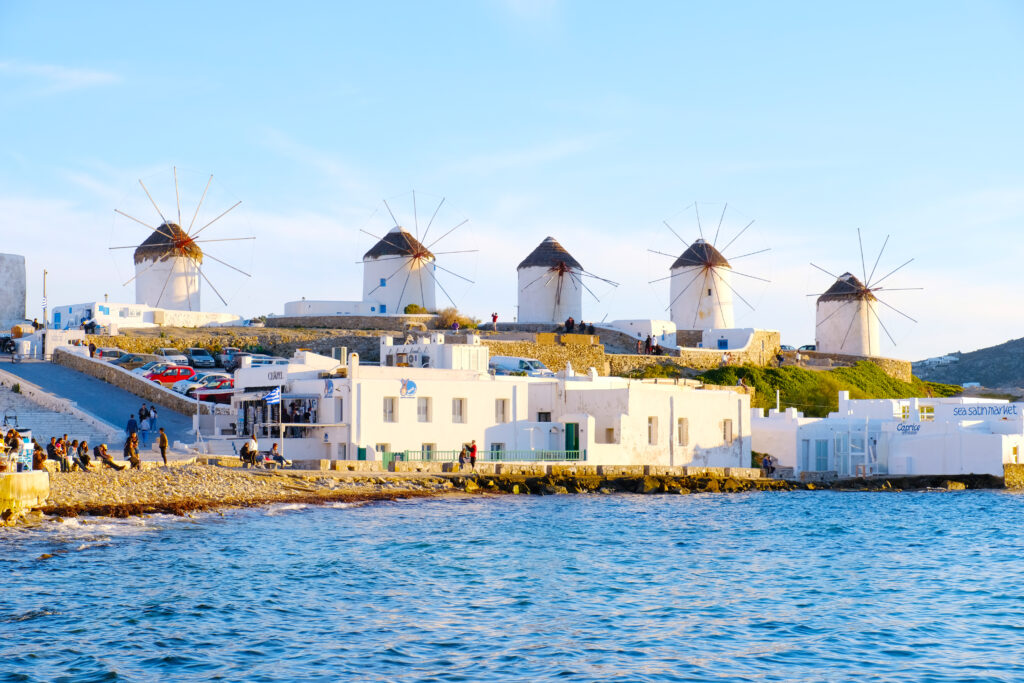
Mykonos day trips are surprisingly easy to plan and offer far more than most travelers expect, whether you arrive by cruise, hop over from a nearby island, or visit for a short but memorable getaway. Although the island is compact and simple to navigate, it’s full of contrasts that make even a brief visit incredibly rewarding: lively beaches alongside peaceful coves, luxurious experiences balanced with authentic local charm, and timeless Cycladic beauty mixed with a modern, cosmopolitan atmosphere. What makes Mykonos especially captivating is its natural rhythm, shifting from calm and quiet in the early morning to vibrant and sun-soaked by midday, before becoming effortlessly romantic as the sun sets over Little Venice. This variety allows visitors to experience multiple sides of the island in just a few hours, creating a sense of depth and discovery that many larger destinations struggle to offer in the same amount of time. Even a short visit reveals the island’s unique blend of tradition and sophistication, its warm hospitality, and its ability to make travelers feel both energized and at ease. By the end of your day, you will have experienced the essence of Mykonos, its beauty, its flavors, its atmosphere, and often that single day is enough to spark a desire to return for a longer stay. Mykonos has a way of inviting visitors back, encouraging them to explore its quieter beaches, its hilltop villages, and its lively nightlife, turning a brief introduction into the beginning of an ongoing connection with this unforgettable island. Mykonos day trips: Τhe best way to start your day The best way to begin Mykonos day trips is by wandering through the whitewashed streets of Mykonos Town (Chora), where the island’s character reveals itself from the very first steps. This is the heart of Mykonos and the place where most travelers get their initial taste of its charm, a blend of history, elegance, and vibrant island energy. As you explore Chora, you’ll walk through narrow Cycladic alleys lined with bright bougainvillea, pass by the iconic Panagia Paraportiani, one of the most photographed and recognizable churches in Greece, and stumble upon boutique shops, local designers, and small cafés ideal for a slow morning coffee. Chora is compact and easy to navigate, making it perfect for travelers with limited time who still want to experience the island’s essence without rushing. Every corner reveals something different, from hidden chapels to charming storefronts and scenic viewpoints. Beginning your day here sets the perfect tone for any Mykonos day trips, offering a harmonious blend of culture, beauty, architecture, and authentic island life that immediately pulls you into the spirit of Mykonos. Visit one of Mykonos’ famous beaches No trip to Mykonos is complete without spending time by the sea. The island is world-famous for its crystal-clear waters, golden sand, and vibrant coastal life, making its beaches one of the main reasons travelers fall in love with Mykonos. Even if you only have a few hours, the coastline captures the essence of the island, a place where the atmosphere shifts with every location and every hour of the day. For a more peaceful experience, visit Agios Sostis, Fokos Beach, or Agios Ioannis, where you’ll find calm waters, natural beauty, and fewer crowds, perfect for laid-back sunbathing or a quiet swim. If you’re drawn to Mykonos’ lively beach scene, Paraga, Paradise, and Super Paradise Beach deliver the full experience, with music, stylish crowds, and top-tier beach clubs that define the island’s cosmopolitan character. For those seeking family-friendly comfort, Ornos, Platis Gialos, and Elia Beach offer easy access, calm seas, and a variety of restaurants and amenities, ideal for a relaxed few hours before heading back to town and continuing your day. Explore Ano Mera Village If you prefer a quieter, more traditional, and authentic side of Mykonos, make your way to Ano Mera, the island’s main village outside of Chora. Far from the lively beaches and bustling cobblestone alleys, Ano Mera offers a completely different rhythm. Here, you can wander around the peaceful village square, shaded by trees and surrounded by small cafés where locals gather throughout the day. The atmosphere is calm and welcoming, making it the perfect place to pause, take a breath, and see a more genuine side of the island. A highlight of Ano Mera is the Monastery of Panagia Tourliani, a beautifully preserved 16th-century monastery with impressive marble details and a stunning interior filled with icons and hand-carved wooden artwork. It’s one of the most important religious landmarks in Mykonos and a must-visit for anyone interested in culture and history. After exploring, you can enjoy traditional dishes at one of the local tavernas, where the focus is on homemade flavors, fresh ingredients, and a relaxed, authentic setting. Whether you stop for a full meal or just a small break, Ano Mera offers a refreshing contrast to Mykonos’ more cosmopolitan side, a glimpse into the island’s true roots. Mykonos day trips: Sunset & Drinks Sunset in Little Venice is one of the highlights of any Mykonos day trips, as the waterfront becomes the perfect place to unwind with a drink and watch the sky transform into shades of gold and pink while the waves crash beneath the balconies. For an even wider perspective, a short walk up to the iconic Windmills offers a breathtaking panoramic view over Chora and the Aegean, making it one of the most photographed spots in Greece and an unforgettable way to close the daylight hours. As the evening settles in, the atmosphere naturally leads you toward dinner and drinks in Chora, where the island’s vibrant dining scene comes to life. Cozy traditional tavernas serve beloved Greek comfort dishes, while modern and upscale restaurants offer innovative menus, elegant settings, and beautifully presented Mediterranean or international cuisine. Whether you’re craving fresh seafood by the water, a creative tasting menu, or a relaxed meal in a charming alleyway, Mykonos provides endless options that match any style or mood. Ending your day with a delicious dinner and a refreshing
Best areas to stay in Mykonos
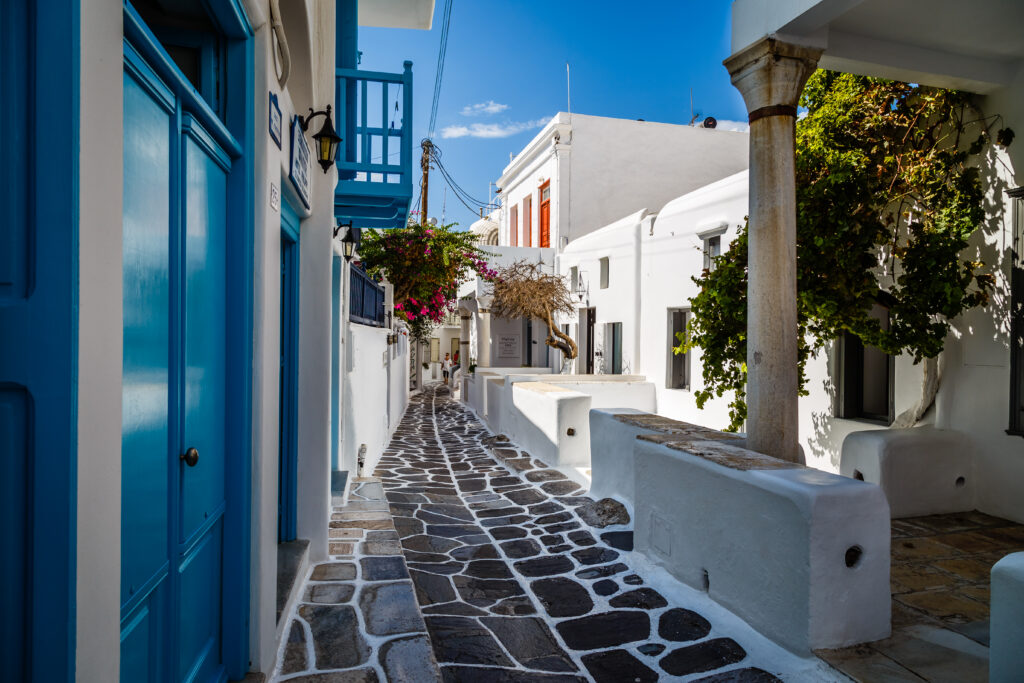
Best areas to stay in Mykonos is one of the most common searches among travelers planning their trip to the island and wanting to organize their stay in the best possible way. Mykonos offers a wide range of areas, each with its own character and atmosphere, providing different levels of comfort, luxury, tranquility, or cosmopolitan energy. For first-time visitors, choosing the right area can truly shape the overall experience: some want to be close to nightlife and world-famous beaches, while others seek privacy, relaxation, and convenient access to transportation services. At the same time, the variety of available accommodations — from boutique hotels to luxury villas and traditional guesthouses — makes reliable guidance essential. No matter your travel style, the island’s infrastructure is exceptional, offering countless options for every preference and budget. And because transportation plays a major role in making your holiday comfortable, it is helpful to know that you can rely on specialized services such as Mykonos Must for easy transfers and professional support throughout the island. The best areas to stay in Mykonos for vibrant nightlife (Mykonos Town) Mykonos Town is undeniably one of the best areas to stay in Mykonos, especially for travelers who want to be at the heart of the island’s energy and iconic lifestyle. This is where Mykonos truly comes alive: narrow whitewashed alleys, lively bars, clubs hosting top international DJs, and designer boutiques that stay open late into the night. Staying in town is ideal if you want everything within walking distance — food, nightlife, sightseeing, and must-see attractions like the Windmills and Little Venice. Despite the busy atmosphere, the area also offers a selection of luxury boutique hotels combining comfort, minimalist Cycladic aesthetics, and impeccable service. Parking and traffic can be challenging, but reliable transportation services make this a non-issue, especially with professional options such as Mykonos Must, which ensures pick-ups and drop-offs exactly where you need them without inconvenience. If you love the fast pace and want to experience the cosmopolitan side of the island up close, Mykonos Town is the perfect base for your trip. The best areas to stay in Mykonos for luxury and privacy (Agios Ioannis – Ornos) Agios Ioannis and Ornos are among the most refined best areas to stay in Mykonos for travelers seeking high-end holiday experiences combined with relaxation. Agios Ioannis is well known for its stunning views toward Delos and its golden sunset colors, hosting luxury villas and premium hotels that offer exceptional privacy — ideal for couples or those who want a serene and intimate environment. Ornos, on the other hand, has a more family-friendly character with an organized beach, excellent restaurants, and easy access to all conveniences. Its calm and shallow waters make it a great choice for families with children. Both areas boast excellent locations that allow quick access to the town, the beaches, and many beach bars. With such convenience, transportation services like Mykonos Must become especially valuable, offering effortless and comfortable rides without the need for your own vehicle. If you want luxury, top-tier service, and tranquility, these areas will match your expectations perfectly. The best areas to stay in Mykonos for beach lovers and coastal lifestyle (Platis Gialos – Paraga – Paradise) Platis Gialos and its neighboring beaches are also among the best areas to stay in Mykonos, particularly for those who enjoy vibrant beach life, stylish atmospheres, and a perfect blend of relaxation and entertainment. Platis Gialos is famous for its calm turquoise waters, organized beachfront, and as a convenient starting point for exploring nearby beaches using regular boat taxis. Paraga and Paradise are globally known for their mix of beach relaxation and high-energy entertainment, hosting some of Mykonos’ most iconic beach bars and day parties. Staying in these areas offers immediate beach access, quality accommodation, and close proximity to seaside restaurants and venues that stay active from morning until late night. While summer can bring heavy crowds, the experience remains seamless — especially when coordinating your transportation through professional services. Mykonos Must is always available for smooth transfers, even during peak hours, allowing you to enjoy your days without stress. These coastal areas are ideal for travelers who want to be at the center of beach culture, surrounded by crystal-clear waters and lively beachfront settings. Comfortable stay with local charm (Ano Mera) Ano Mera offers a completely different experience compared to the more cosmopolitan parts of Mykonos. It is a traditional village with a peaceful atmosphere, local tavernas, picturesque paved alleys, and a slower pace of life far from the island’s busy hotspots. Many travelers who want to discover the authentic Cycladic character of Mykonos choose Ano Mera because it offers calm surroundings, a genuine community feel, and a refreshing break from the intensity of the coast. Strategically located in the center of the island, it provides easy access to many beaches, whether you are using your own vehicle or reliable transfer services. Accommodations range from small guesthouses to charming villas, maintaining the region’s traditional style. Ano Mera suits visitors who want a balanced holiday, experiencing Mykonos without constant crowds. And of course, transportation services such as Mykonos Must ensure quick and pleasant travel to any part of the island, making your stay even more convenient. For peaceful seaside holidays (Kalo Livadi – Elia – Kalafatis) The beautiful beaches of Kalo Livadi, Elia, and Kalafatis are ideal for travelers seeking a quieter setting without sacrificing comfort or quality. Kalo Livadi features a long sandy beach with a relaxed yet refined coastal atmosphere, along with modern beach restaurants. Elia, one of the island’s longest beaches, is known for its luxurious resorts, top-quality amenities, and spacious, pristine shoreline that offers tranquility and comfort. Kalafatis, famous for water sports and windsurfing, attracts visitors who want activities combined with a beautiful natural setting. Although these areas are farther from the town, they remain excellent options for those who want peaceful holidays in scenic surroundings. Transportation remains simple and reliable, especially with services like Mykonos Must, which ensures smooth
Mykonos history: More than just a party island
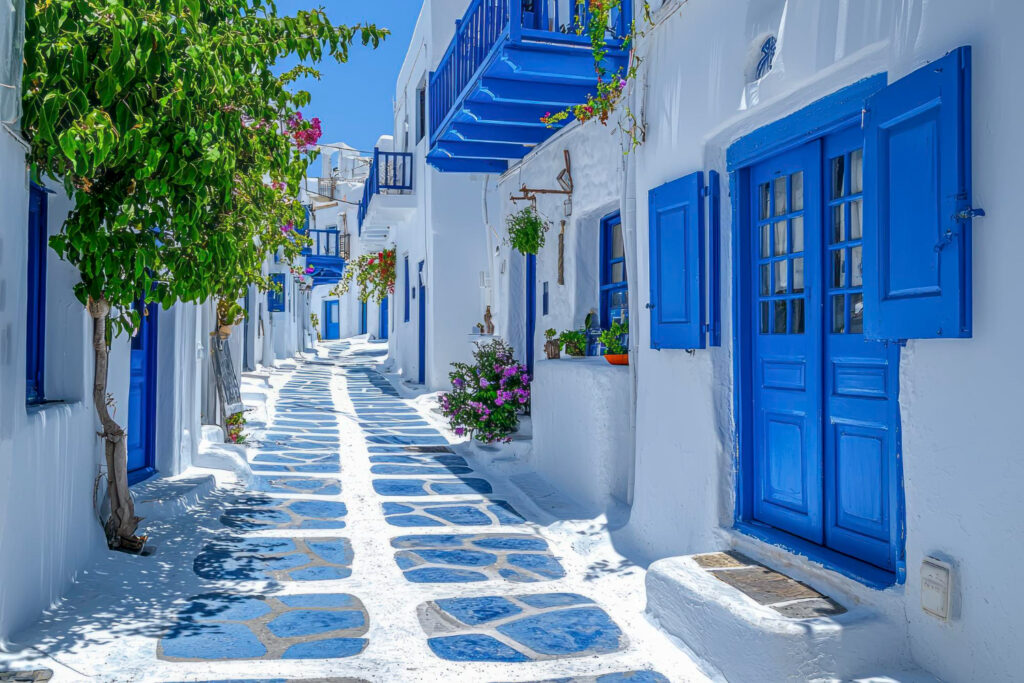
When we talk about Mykonos history, most people immediately picture the dazzling scenes that have made the island famous: sun-soaked beaches with turquoise waters, vibrant nightlife that lasts until dawn, glamorous parties under the stars, and luxury resorts filled with celebrities and jet-setters. Yet, behind this modern image lies an island with a soul shaped by thousands of years of human presence and mythological imagination. The history of Mykonos reaches far beyond its reputation as Greece’s ultimate party destination. It stretches back to prehistoric times, when early settlers from the Aegean established small communities on its rocky landscape. Mykonos appears in Greek mythology as a sacred land linked to Apollo and the legendary battles of Heracles, while in historical times it became a key stop in the maritime trade routes of the Cyclades. Over the centuries, the island witnessed the rise and fall of empires—from the Ionians and the Romans to the Byzantines, Venetians and Ottomans—each leaving their cultural and architectural mark. In this piece, we’ll journey through time to uncover how Mykonos evolved from a humble Cycladic settlement into one of the world’s most sought-after destinations. From its mythical origins and ancient roots to its rebirth as a modern cultural icon, we’ll see why Mykonos history is much richer, deeper, and more fascinating than its party-island reputation may suggest. Mykonos history in ancient times: Myth, settlement and Ionian rule Mykonos history begins long before the first cocktail bar opened on its famous shores. In fact, the island’s story reaches back to the dawn of Greek civilization, blending mythology with archaeological reality. According to legend, Mykonos was named after the hero Mykonos, son of Anius—the priest of Apollo on nearby Delos—and grandson of the god himself. This mythological lineage immediately ties the island to the sacred energy of Delos, one of the most important religious centres of the ancient Greek world. Some traditions even associate the island with the legendary Gigantomachy—the epic battle between the gods and the giants. Ancient storytellers claimed that the enormous rocks scattered across the island were the petrified bodies of the giants slain by Heracles, an image that still captures the imagination of visitors today. Archaeological findings reinforce the depth of Mykonos history. Excavations have revealed that the island was inhabited as early as the Late Bronze Age, with traces of settlements, pottery, and burial sites showing contact with neighbouring islands. The first known inhabitants were Carians and Phoenicians—seafaring peoples who used Mykonos as a strategic stop on their maritime routes. Around 1000 BC, the Ionians arrived from the Greek mainland and established lasting control, bringing with them their language, religion, and social structure. Under Ionian rule, Mykonos became part of the thriving Cycladic network of the Aegean, participating in the exchange of goods, ideas, and art that defined the region’s prosperity. Although smaller and less powerful than nearby Delos, Mykonos served as a vital support hub for the sacred island, providing supplies, housing pilgrims, and facilitating trade. Its proximity to Delos also made it an important waypoint for merchants and travelers moving across the Aegean. Historical records note that in 490 BC, during the Persian Wars, the Persian general Datis stopped at Mykonos before his campaign against the Greeks—proof of the island’s strategic value even in ancient times. What emerges from this early period of Mykonos history is an image of an island deeply rooted in myth and early Hellenic civilization. Far from the modern scenes of beach clubs and nightlife, ancient Mykonos was a small yet significant player in the wider Aegean world—a community shaped by the sea, myth, and its enduring connection to nearby Delos. The echoes of this past still linger today in the island’s landscapes and legends, reminding visitors that Mykonos’ allure was born not in the modern age, but in the timeless depths of Greek history. Mykonos history through Roman, Byzantine, Venetian and Ottoman eras: Changing hands and enduring identity The next chapters of Mykonos history reveal a tale of conquest, shifting rule, and local resilience. After Ionian control, the island came under the Roman Empire and later formed part of the Byzantine Empire. In 1204, following the fall of Constantinople during the Fourth Crusade, Mykonos was occupied by the Ghisi family under Venetian influence. Later it was ravaged by Catalans, and by 1390 it came under more direct Venetian rule. Under Venetian rule and then in 1537 under attack by the Ottoman admiral Hayreddin Barbarossa, Mykonos entered the Ottoman sphere though maintaining a notable degree of local self-governance (under the kapudan pasha system). Throughout these eras Mykonos history shows how the island’s identity was shaped not just by external rulers, but by local maritime trade, agriculture and adaptive traditions—giving it a continuity that survives into the present day despite dramatic changes of sovereignty. Mykonos history in modern times: Independence, merchants, tourism transformation Moving into the modern era, Mykonos history continues to reflect dramatic change. When Greece achieved independence, Mykonos became part of the fledgling Greek state (1830 onwards) and its economy evolved. In the late 19th and early 20th centuries, Mykonian merchants travelled to major trading centres such as Constantinople, Alexandria, Marseilles and fostered shipping and commerce that boosted the island’s prosperity. Then the big transformation: from the 1950s onwards, Mykonos history enters a new era—becoming a major tourism destination. Though the nightlife-and-party image dominates today, the evolution involved architecture restoration, beach resort development, and global branding of Mykonos as a luxury destination. Therefore when one reflects on Mykonos history in modern times, it is clear that the island is much more than a party playground—it represents the confluence of Greek heritage, commerce, aesthetic reinvention and international appeal. Heritage, culture and architecture: Discovering deeper layers Beyond the timeline of rulers and tourism, Mykonos history also hides rich cultural, archaeological and architectural treasures. For instance the famous “Mykonos vase” (a relief pithos dating to around 670 BC) was found on the island and is an important artifact depicting the Trojan Horse myth. The island’s white-washed cubic houses, narrow
Things to do in Mykonos town
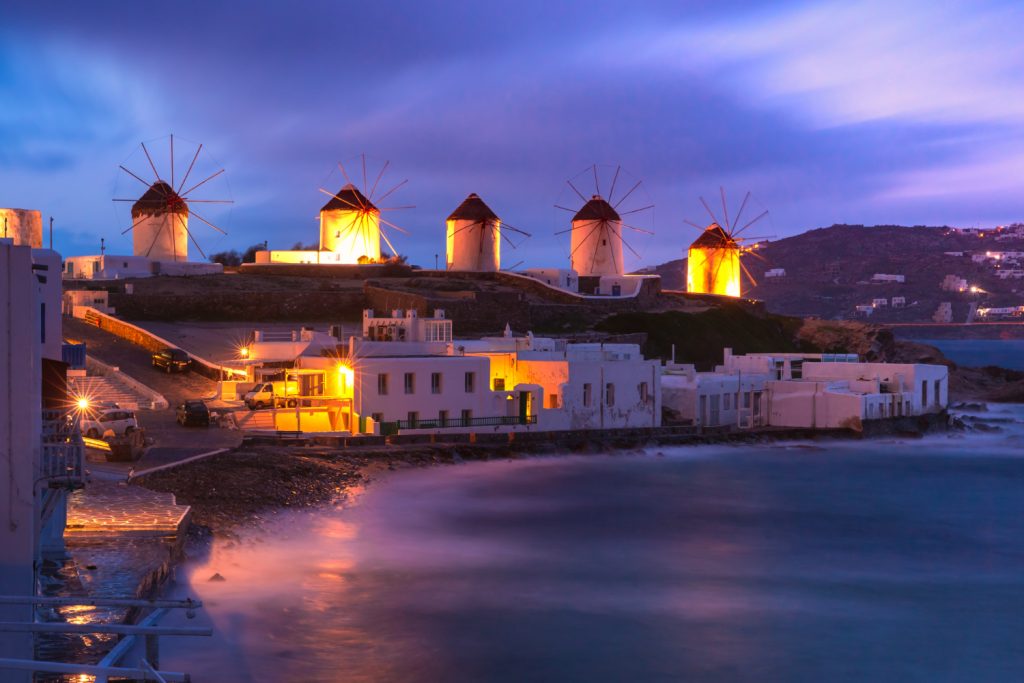
Things to do in Mykonos Town are countless, and that’s what makes this picturesque capital such a beloved destination for travelers from every corner of the world. Mykonos Town, or Chora as locals call it, is the beating heart of the island and one of the most iconic spots in the Cyclades. With its maze-like alleys, elegant boutiques, cozy cafés, and charming harbors, the town blends traditional Greek character with cosmopolitan flair. Whether you’re drawn by its famous nightlife that attracts celebrities and jet-setters, or its cultural side with churches, museums, and historic architecture, you’ll quickly realize there’s something for everyone. Planning your trip according to the season is essential, because each period highlights a different aspect of Chora—from the blooming calm of spring to the buzzing energy of summer and the authentic tranquility of autumn. No matter when you visit, the things to do in Mykonos Town never run out, offering you experiences that balance leisure, culture, and adventure in one unforgettable setting. Things to do in Mykonos town in Spring (April – May) Spring is a magical season to explore Chora. The weather is pleasantly warm but not too hot, flowers bloom along the whitewashed walls, and the crowds are still thin. This makes it the ideal period for slow exploration, photography, and cultural sightseeing. You can begin your day by wandering through Matogianni Street, the main shopping artery of the town. Here you’ll find designer boutiques, handmade jewelry stores, and art galleries showcasing local creativity. Don’t rush—half the joy is getting lost in the winding alleys where every corner hides a surprise, from tiny chapels to hidden courtyards covered in bougainvillea. Culture lovers shouldn’t miss the Archaeological Museum of Mykonos, where artifacts from Delos and other Cycladic islands are displayed, giving insight into the region’s ancient history. Another highlight is Panagia Paraportiani, a unique whitewashed church complex dating back to the 15th century and one of the most photographed spots in Greece. For food, spring is the time to try local tavernas without waiting in long lines. Enjoy dishes like kopanisti (spicy local cheese) spread on fresh bread, louza (cured pork), and freshly caught seafood. Pair your meal with ouzo or local wine while sitting outdoors, enjoying the mild breeze. If you enjoy walking, spring evenings are perfect for strolling along the seafront promenade. The harbor lights reflect on the water, and the atmosphere is calm compared to the busier summer months. Summer highlights (June – August) Summer is when Mykonos Town is at its liveliest. The atmosphere is electric—streets packed with visitors, the sound of music flowing from bars, and boats filling the harbor. This is the peak season for nightlife, shopping, and socializing. One of the essential things to do in Mykonos Town during summer is experiencing its world-famous nightlife. From small bars like Caprice in Little Venice to legendary clubs such as Skandinavian Bar, the town offers a party scene that lasts until dawn. Many venues have rooftop terraces or seaside locations, making every drink an experience. But Chora isn’t only about nightlife. By day, you can visit the iconic windmills overlooking the sea, which once served as grain mills and are now one of the island’s most recognizable landmarks. Just below them lies Little Venice, where colorful houses stand directly above the water. It’s a fantastic spot for sunset cocktails with a view of the waves crashing below. For shopping lovers, summer is the high season for fashion. International luxury brands sit side by side with small Greek designers, offering everything from chic resort wear to handmade leather sandals. Don’t forget culture—take a short boat ride from the Old Port to the island of Delos, one of Greece’s most important archaeological sites. Walking among ancient temples and statues gives you a unique contrast to the lively streets back in Chora. Dining in summer is an event of its own. Restaurants spill tables into the streets, and the aroma of grilled fish and Mediterranean herbs fills the air. Try a seafood pasta by the waterfront or a more upscale dining experience in one of the town’s fine restaurants. Μay interest you: Mykonos nightlife hotspots you can’t miss this summer Things to do in Mykonos town in September September is often considered the golden month to visit. The weather is still warm, the sea inviting, but the heavy August crowds have left. This creates the perfect balance between vibrant energy and relaxed atmosphere. Among the best things to do in Mykonos Town during September is to enjoy cultural events. The island often hosts art exhibitions, music concerts, and small festivals that celebrate local traditions. You can also take your time to visit galleries and meet artists who call Mykonos home. Food lovers will find September ideal for indulging in local cuisine. Restaurants are still open, but reservations are easier. This is the season when local ingredients are at their freshest, so you’ll enjoy excellent dishes made with ripe tomatoes, figs, and aromatic herbs. Consider joining a food tour to learn more about traditional recipes and taste local specialties. The town itself is wonderful to explore at this time. With fewer crowds, it’s easier to navigate the maze-like streets and discover hidden corners. Walk by the Old Port in the evening, where fishing boats bob gently, and the town lights shimmer on the water. It’s a romantic setting for couples or a peaceful one for solo travelers. Shopping in September is also more relaxed. Many boutiques offer end-of-season sales, so you might find beautiful clothes, jewelry, and art pieces at better prices. Autumn to early Winter (October – December) As the island winds down, Mykonos Town reveals its authentic, quieter side. The party crowds have gone, but life continues for locals, making this the best time for cultural immersion. During this period, the things to do in Mykonos Town include slow exploration of its museums, churches, and traditional bakeries. Try amygdalota, the famous almond cookies of Mykonos, with a cup of Greek coffee. Visit the